Teenage Hacking Crew Behind Telecom Intrusions Arrested in London
The group used SIM-swapping and social engineering to breach three major telecommunications companies and extort executives.
The group used SIM-swapping and social engineering to breach three major telecommunications companies and extort executives.

The aim is to teach investigators in a secure environment beyond the classroom by getting hands-on with some of the latest consumer and enterprise technologies, many of which are frequently targeted by malicious hackers.
Researchers warn thousands of edge devices remain unpatched as attackers deploy custom backdoors for long-term espionage access.

FBI says TeamPCP poisoned trusted developer tools to steal cloud credentials, spread malware through software updates, and extort victims.
The network allegedly washed proceeds from ransomware and investment fraud through a web of exchanges and mixers.

The attack encrypted clinical systems across 14 facilities, forcing staff to revert to paper records and divert emergency patients.
Malicious code slipped into a widely used open-source package harvested environment variables and cloud credentials from build servers.
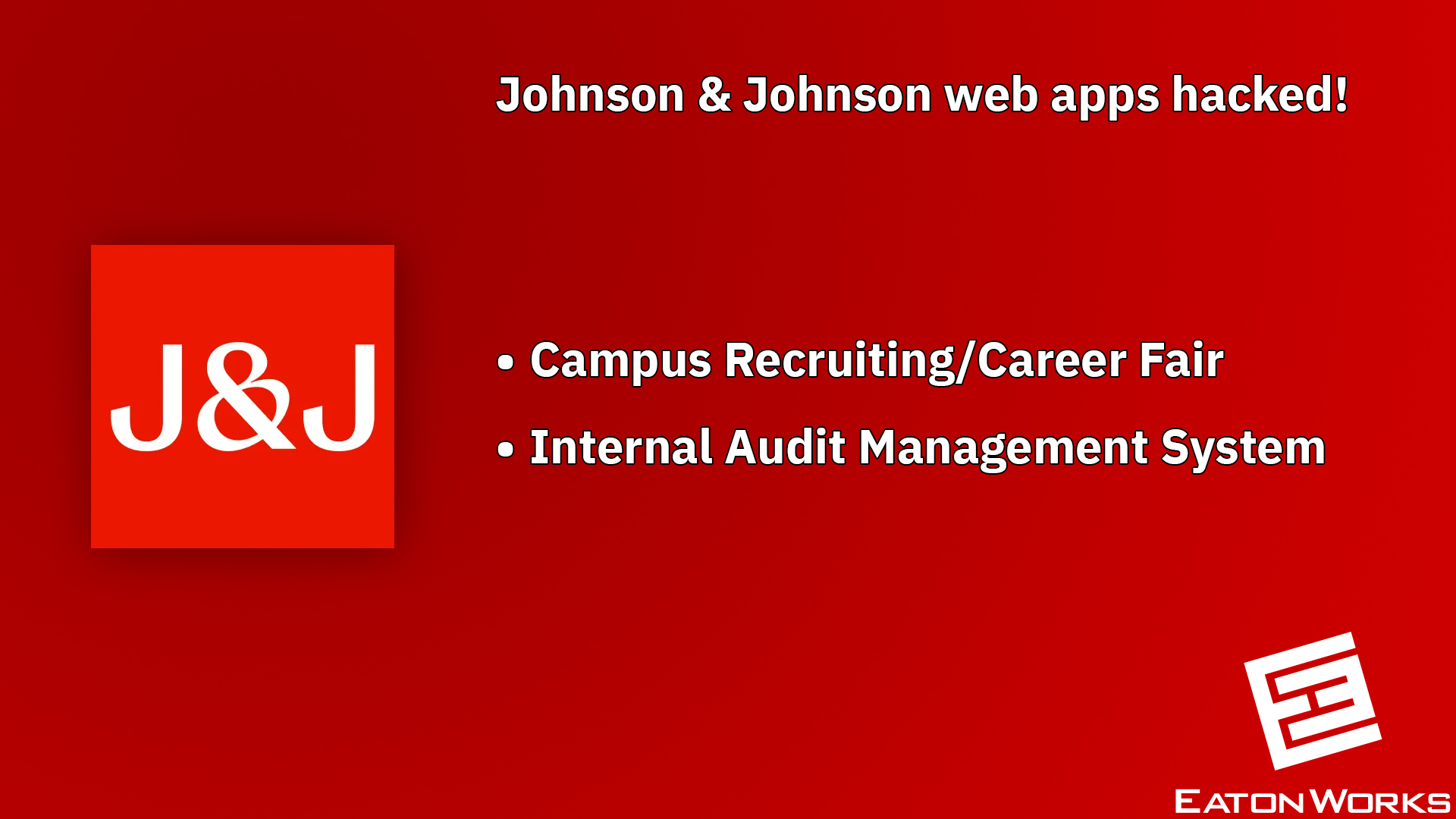
Campus Recruiting vulnerability exposed student information, and Audit Tracking Management System vulnerability exposed confidential internal audit data.
The marketplace facilitated over $180 million in sales of stolen data, drugs and hacking tools before its infrastructure was seized.
Billions of login attempts fueled by recycled passwords led to account takeovers, loyalty-point theft and fraudulent purchases.
Fraudsters are cloning executive voices to authorize urgent wire transfers, with losses already exceeding $200 million globally.
Coverage of: The FBI's Kinetic Cyber Range